
Health care has moved from the physical waiting room to the digital search bar. When a person experiences a health concern the first instinct is to turn to a search engine to find answers, providers, and peace of mind. This change in behavior means that for a medical practice, being found at the exact moment of a query is not simply a marketing advantage, it is a necessity for patient care. Doing this visibility requires a sophisticated approach that combines technical accuracy with the high level of empathy required in the medical field.
For any medical institution, the goal of increasing organic traffic is directly tied to its mission of providing accessible care. When a site ranks high in search results, it tells the user trustworthiness and authority. However, it is a complex task to hit the top of these results. That means really understanding how algorithms understand medical data, and being committed to the highest standards of accuracy and trust.
The Medical Foundation Search Authority
Engine optimization tailored to the medical industry is the foundation of a winning digital strategy. Health information is a much higher stakes game than retail or entertainment. Google and other platforms have a stricter set of rules for “Your Money or Your Life” (YMYL) content. This means healthcare content has to be more than well written, it has to be supported by expertise, experience, authority and trustworthiness.
A specialized healthcare SEO agency emphasizes these pillars to ensure that a practice gets not just clicks but also builds a long-term reputation. This starts with a technical audit to check if the site loads fast, works well on mobile and is secure. Patients often turn to us for help when they’re under stress, like when looking for urgent care near me. If a website takes too long to load, or is difficult to navigate on a smartphone, the potential patient will move on to a competitor within seconds.
Discovering the Content Gap
One of the best ways to get ahead of your competition is to identify a content gap. This includes what potential patients are looking for and matching this up with what is already available on the practice’s website. Many providers concentrate only on their services and forget that patients often search by symptoms, concerns or recovery questions. By filling these gaps with quality, doctor-verified information, a practice can reach a wider audience.
This process is inherently data-driven. With advanced analytics tools, a marketing team can identify which keywords are generating the most organic search volume and which pages are not engaging visitors. This allows for the creation of a roadmap that prioritizes the most impactful changes first. Each piece of content should have a clear purpose in the patient’s journey, whether you are updating existing blog posts or creating new videos on certain procedures.
Local Dominance and Strategy Implementation
For many medical providers, the most important battles are fought at the local level. Medical SEO is very map-pack-centric — the three local listings that pop up at the top of a lot of health-related searches. The first step is to ensure the practice name, address and phone number are consistent across the web. And encouraging and managing patient reviews has a major impact on where a site ranks in those local search results.
Good seo strategies also include the larger digital footprint. The website is the hub and social media platforms are the spokes that drive engagement and build brand personality. Social signals aren’t a direct ranking factor, but the traffic and brand recognition they create add to the overall authority of the practice. A well-placed post about a new community health initiative or a staff milestone can humanize a sterile medical brand, making it more accessible to new patients.
Measuring Success Beyond the Click
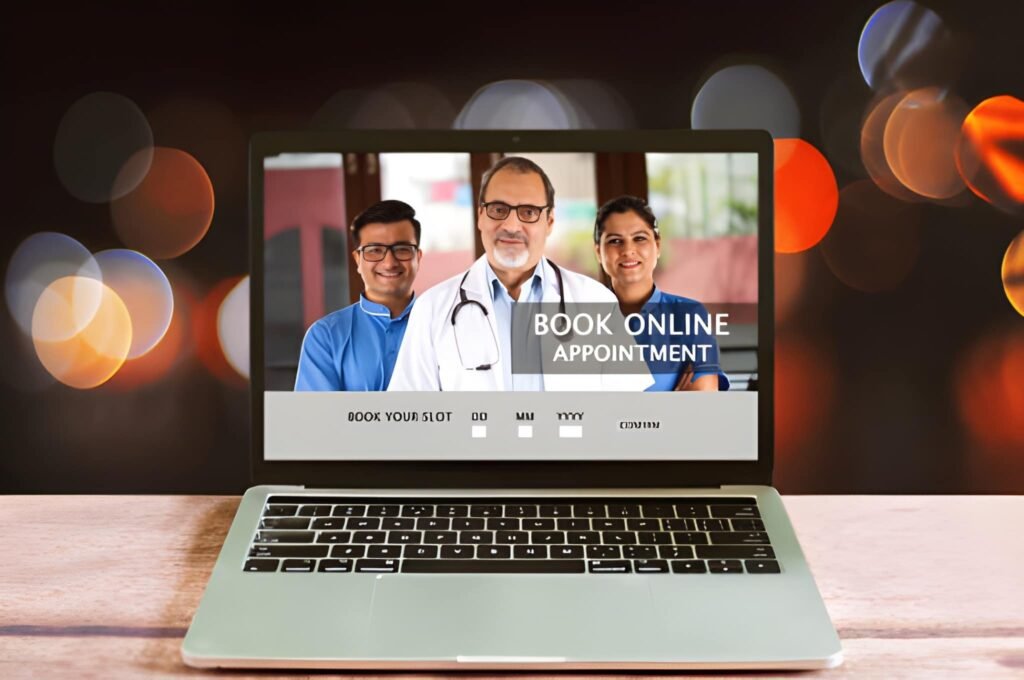
Traffic is a good metric, but the end goal of seo services is to grow the practice. This is measured by the conversion rate, which is the percentage of website visitors who take a specific action such as booking an appointment, calling the office, or signing up for a health newsletter. Optimization is about getting people to the page and what happens when they get there. Clear calls to action, simple booking forms and visible contact details are key to converting casual lookers into loyal patients.
This is a long term investment. Organic optimization accumulates benefits over time, while the benefits of paid advertising cease as soon as the budget is exhausted. A well-ranking page can bring in patients to a practice for years with little maintenance. That sustainability is why a lot of progressive medical groups are looking at organic growth.
The Fine Art of Searching Healthcare
“The way people search for health information is changing. We see more conversational queries, often spurred by voice search on devices like smartphones and home assistants. A successful healthcare search strategy considers these natural language patterns. A practice may be trying to rank for ‘knee surgeon’ but also ‘how long does it take to recover from ACL surgery?’ By answering these questions, the provider positions themselves as a helpful resource before the patient has even decided to book a consultation.
The philosophy at Digii Talks is that medical marketing should be as professional and trustworthy as the care in the clinic. By using seo services for healthcare, practices can make sure they’re not just part of the conversation, but a leading voice in it. Technical skill, medical accuracy and a data driven mindset make for a powerful engine of growth.
Mapping the Path Forward for Patient Acquisition
The quality of information will only matter more as search engines get better at understanding intent. The future of the industry belongs to those who answer patient questions the best. This requires a commitment to ongoing improvement and the ability to adapt to new technologies. Whether it’s the rise of AI-powered search snippets or the increasing relevance of video content, keeping up with the curve is crucial.
In a competitive market, a practice cannot afford to be invisible. With a dedicated team who understands the specific needs of the medical sector, providers can focus on what they do best – saving lives and improving health. The digital side of the practice is then left to the experts who know how to navigate the intricacies of the web to deliver a successful hair transplant or a busy urgent care lobby.
Why Holistic SEO Strategies Are Important
And the medical world often doesn’t work in silos when it comes to marketing. You can’t have good content without a fast website. And you can’t have a fast website without trustworthy content. They are all linked. A holistic approach ensures that the conversion rate is optimized for each channel. When you see the same message on a search engine, social media, and the practice’s homepage, it builds the confidence you need to choose that provider.
When you invest in medical seo, you get a steadier, more predictable stream of patients. Instead of depending on the volatile prices of digital auctions, a practice creates an asset that it owns. This organic bedrock offers the stability necessary to weather economic shifts and changes in the local competitive landscape. It is the foundation upon which modern medical brands are built.
Conclusion: Patient Perspective on Growth
The patient is the final beneficiary of a well-executed digital strategy. when a website is optimized, the patient gets the information they need faster. They can book appointments more easily and feel more knowledgeable about their health choices. This is what drives best results: a patient-centric view of engine optimization. It’s not about beating the algorithm, it’s about serving the human being behind the screen.
Medical providers can use Digii Talks’ expertise to close the gap between their clinical excellence and their online presence. From the accuracy of your healthcare content to the visibility of your local map pack, we help turn digital searchers into healthy, happy patients. Quality, trust and hard work are the keys to getting to the top of the search results.
FAQs
Optimizing your website for relevant medical search queries makes sure your practice is listed at the top when potential patients are looking for help. This boosts organic traffic and, coupled with a high conversion rate on your site, translates to more appointment bookings and a steady stream of new patients without the ongoing expense of paid ads.
Medical search is held to much higher standards of trust and accuracy. Google classifies health information as “YMYL” (Your Money or Your Life). Healthcare content has to show a high level of expertise and authority. A healthcare SEO agency like Digii Talks knows the unique regulatory and algorithmic requirements that keep your site from getting penalized.
Local SEO is the most important for local clinics and urgent care. Most patients are searching for “near me” or some city names. Managing your local listings and making sure your practice is in the map pack gives you the opportunity to get high intent traffic from people that need immediate medical help in your direct vicinity.
SEO is a long-term strategy. Some technical fixes can deliver quick wins, but it’s generally three to six months to build up meaningful organic search authority. However, the benefits are sustainable; the traffic you generate from a strong medical seo foundation doesn’t stop if you stop your active marketing spend, as you can’t do paid ads forever.
Social media is not a direct ranking factor for your website, but it does help drive traffic, increase brand awareness and foster trust. A strong social presence can result in more people searching for your practice by name, which in turn lets the search engine know that your brand is a trusted authority in the medical space.
A content gap is when patients are searching for specific health information and your website doesn’t currently have it. A data driven audit will help you to find these gaps and create new healthcare content that fills them. This means you’re able to catch patients earlier in the research phase, before they’ve decided on a particular doctor to see.