
PPC (Pay Per Click) Audit Services
Contact for Premium Business Services
Expert Audit Services Optimise PPC Campaigns
Is Your Ad Spending Going Down?
Stop spending money on ads that don’t work. Our PPC audit services find leaks and show you hidden ROI. Get a plan based on data to grow your brand today
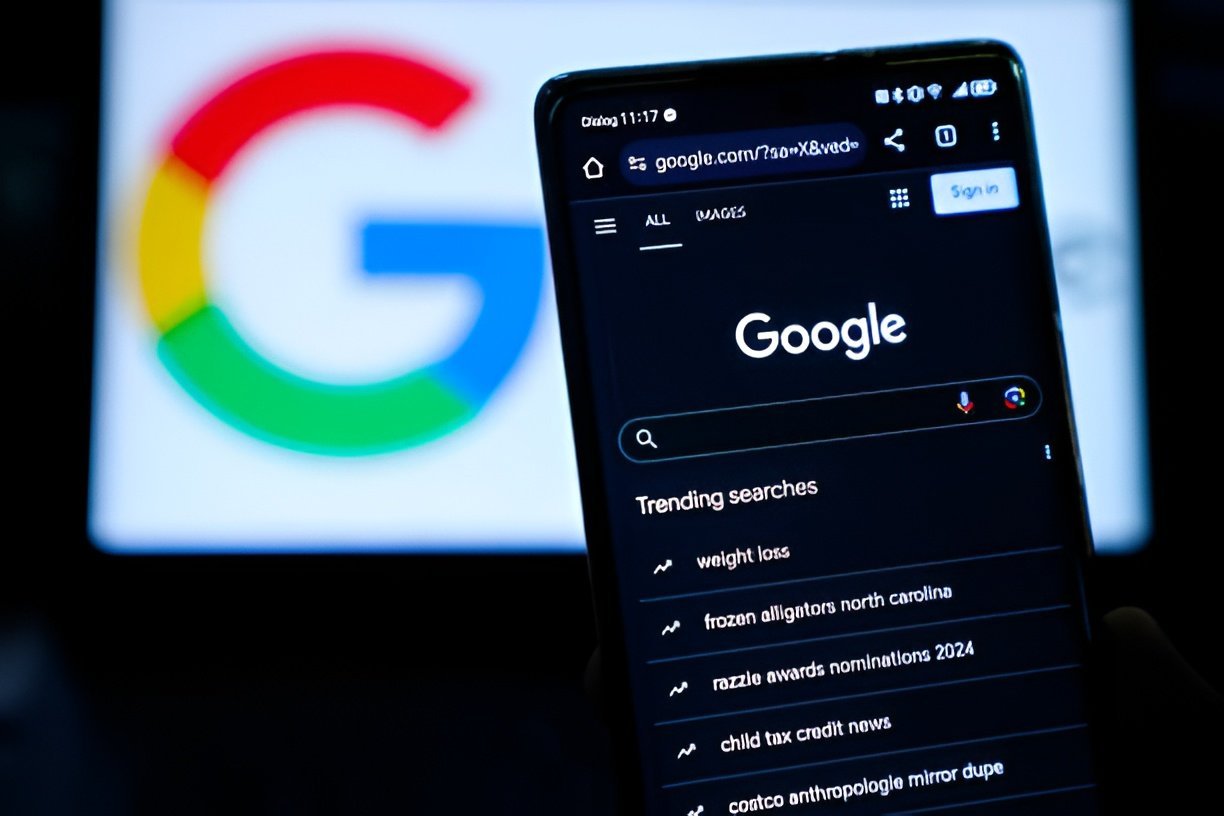

How well a modern business manages its digital marketing budget can often make or break its success. Many businesses start campaigns with high hopes, but the truth is that without constant monitoring, budgets can quickly disappear. This is when you need to really look into your advertising infrastructure. Brands can go from guessing how much to spend on Google ads to a structured, data-driven approach that guarantees long-term growth by looking at the basic building blocks of a Google ads account.
Digital advertising that works isn’t something you can just “set it and forget it.” It takes a lot of work to pay attention to every little thing, from the ad group level to the last conversion tracking pixels. A lot of advertisers lose money slowly because they don’t know where their money is actually going. When a campaign starts to level off, the answer is usually not to just raise the budget. Instead, the answer is usually to improve the current PPC strategies and get rid of things that don’t help the bottom line.
One of the main places where efficiency is lost is when you choose keywords. If you use broad match types without a strong list of negative keywords, you’re asking for trouble. Because of this mistake, ads can show up for search terms that don’t have anything to do with them, which means that clicks won’t turn into sales. By making these limits stricter, an advertiser makes sure that only people who are really interested in what they have to offer will see their ad. This change directly affects the quality score of the keywords, which lowers the cost per click and makes the account healthier overall.
The actual ad copy is just as important as the keywords when it comes to getting people’s attention. Even the most targeted traffic won’t turn into sales if the message is boring or doesn’t make a clear case for why the product is special. Ads that do well are the ones that talk directly to the user’s problems and use all of the ad extensions available to them to take up more space on the search results page. These extensions give more information, like links to other sites, callouts, and location information, which naturally makes more people click on them.
But the journey doesn’t end with a click. The connection between the ad and the landing pages is often what makes a visitor take action. If a user clicks on an ad that promises a specific solution but ends up on a generic homepage, they often leave right away because of the disconnect. To raise the conversion rate, the transition from the first search query to a dedicated page that fulfils that promise must be smooth. This alignment is a key part of professional PPC audit services offered by companies that know what makes online shoppers tick.
You also need to be smart when it comes to bidding strategies. Manual bidding can be tiring and lead to mistakes, but switching to fully automated systems without the right data can be just as dangerous. Using machine learning while still keeping an eye on things is a balanced way to make sure that the goals match up with the actual return on investment. Marketers can use Google Analytics to look at past data and find patterns. They can then change their strategies to focus on the times of day or places that bring in the most money.
Small and medium-sized businesses are being killed by wasteful ad spending. It can be hard to find, like in a campaign that worked two years ago but is no longer relevant because of changes in the market. Regular checks help find these differences. A full review of campaign performance might show that a large part of the budget is going to mobile devices with a bad checkout experience or display network placements that get a lot of impressions but no real engagement.
For people who want to get ahead of the competition, a new set of eyes is often the most helpful thing. Digii Talks says that a technical review should look at both the creative and technical parts of an account. Are the campaigns broken up in a way that makes sense? Is the tracking set up correctly so that it can tell the difference between a lead form submission and just looking at a page? Every choice is basically a guess if you don’t have accurate data. Companies can work toward a model where every dollar spent is an investment in future data by making sure that every touchpoint is measured.
Search engines are always changing, so what worked six months ago might not work as well now. People are changing how they search for things, and new features are always being added. To adapt to these changes, you need to be willing to learn new things all the time and change your mind when the data shows you a new path. This is why it’s not just nice to have a full review of all digital touchpoints; it’s necessary to stay alive in a crowded market.
You might find that some products or services have a much higher profit margin than others when you look at the return on investment for your different channels. It’s not a good idea to spend the same amount of money on advertising a low-margin item as you would on a flagship product. You can double down on what works and grow your business without having to spend more on marketing by strategically reallocating your funds.
The main goal of any marketing campaign is to get new customers on a regular basis. Brands can make a strong impression by focusing on the intersection of technology, creative writing, and data analysis. Every little change you make, like making the ad copy more persuasive or changing the bidding strategies to get the most likely buyers, adds up to a huge improvement over time. Professional PPC audit services are the best way to find the problems that are slowing down your sales funnel.
Get the most out of your ROAS with professional PPC audits
Stop wasting money on ads. Get a Digii Talks checkup now
Readiness for Agentic Search
Attribution with Privacy First
Focus on Deep-Funnel ROAS
Sync for Landing Page Experience (LPE)
Using ads for competitor benchmarking
How We Do PPC Audit
How We Make Your ROI Better

Deep Account Structure Review

Bidding Strategy Calibration

Negative Keyword Scrubbing

Landing Page Synergy

Ad Creative Performance Lab

Tracking and reporting every week
Results & Trust Signals
Showcasing Our Success and Credibility.
EXCELLENT Based on 25 reviews
 Posted on Google
 Reena NairI found definitely recommend Digii Talks to all who wish to market their business as they have very professionally handled our center - which is into MENTAL HEALTHPosted on Google
 Priyanka MahajanDigii Talks is a real company offering digital marketing, technology, and transformation services, focusing on SEO, content, social media, and emerging tech.Posted on Google
 suvarcha sureshvariBest digital marketing services in jammu, great customer support 👍🏻👍🏻Posted on Google
 Kanahiya BaliThe team is professional, delivers work on time, and the results are impressive. Great customer support. Overall, a satisfying experience.Posted on Google
 Rajinder Pal Singh SidhuExcellent Service👍👍Posted on Google
 amit nischalExcellent work 👏👏
80%
organic traffic growth for clients
70%
client retention rate
75%
successful SEO campaigns
100%
Trusted by startups & enterprises
Frequently Asked Questions
Clear answers to help you understand our services, process, and support.
What exactly does a professional PPC audit look at?
An in-depth audit checks the structure of your account, the relevance of your keywords, and your settings. It checks how well your landing pages, ad copy, and use of negative keywords are working. Experts also check that your conversion tracking is correct so you can be sure you’re getting the right return on your investment.
How often should a business check its PPC?
A deep-dive audit should be done every three months, if possible. If you see a sudden drop in campaign performance or a rise in wasteful ad spending, though, you need to review it right away. Regular check-ups help you stay ahead of changes in the market and new strategies used by your competitors.
Will a PPC audit help my Quality Score go up?
Yes. An audit directly addresses the things that affect Quality Score by finding irrelevant keywords and suggesting ways to make the ad’s relevance and landing page experience better. A higher score means lower costs and better ad placements.
Why is my ROAS going down even though I have a lot of traffic?
This is often because your ads and landing pages don’t match up, or because you don’t know how to bid well. An audit can show you if you’re paying for “junk” traffic that doesn’t want to buy or if your checkout process is making people leave before they buy.
Get Your Free PPC Audit Today
Unlock actionable insights to boost your website’s Ad performance—at no cost.