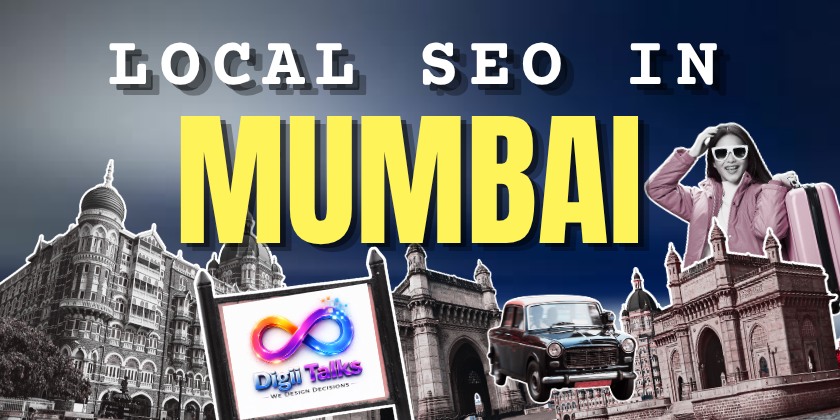
Small businesses that invest in local seo in mumbai may get access to instant neighborhood demand that traditional digital marketing campaigns miss. Identifying customers in a large city like Mumbai means having a clear plan to cut through the thick commercial noise. Owners of city shops, medical practices, home service contractors and regional distributors often waste valuable ad budgets on broad campaigns that reach people fifty kilometers away from their physical storefronts. Partnering with an experienced agency like DigiiTalks enables regional brands to generate a continuous stream of local buyers who are prepared to act on their purchase decision on the spot.
Understanding the Physical Techniques of Neighborhood Search in Mumbai
Mumbai is a conglomerate of separate commercial economies, not a homogenous market. A typical Borivali resident does not travel all the way to Colaba for routine dental care, salon services or hardware purchase. Search engines know this to be true and will reward proximity, relevance and local prominence over overall domain authority.
On a busy street corner in Dadar, when a user opens his smartphone, search engines calculate precise geographic positioning before serving business recommendations. This automated calculation is the basis of Local Intent / Geo-Targeting, which makes sure that users get results that correspond to their physical location. If your digital footprint doesn’t include clear geographic coordinates, search systems will simply skip over your business in favor of competitors nearby, even if they have poorer overall websites.
To make a building visible you need to know how residents search in the course of everyday routines. People on local trains or stuck in traffic look for quick fixes using phrases like dentist open now, best cafe near station or emergency plumber. To harness this immediate commercial demand a strategy specifically tailored to neighborhood boundaries, train lines and district hubs is required.
Step 1: Setting the groundwork with local SEO audit processes
Before they start any promotional campaign, businesses need to know where they stand online. A comprehensive Local SEO Audit examines all technical and contextual elements that influence search rankings in specific geographical areas.
An initial technical review by specialists to see how search engines see your brand on desktop and mobile devices. Key take-away points for review:
- Indexation Status: Making sure all important landing pages are reachable and can be crawled by search bots without any broken code or redirect blocks.
- Geographic keyword alignment: Use specific neighborhood terms instead of general national language on main service pages.
- Directory Consistency – Consistent Information on Business Names, Physical Addresses and Working Phone Numbers in Public Business Listings
- Profile Verification: Making sure you own and setup all your maps profiles on the major search engines.
In this evaluation phase, you’ll spot the gaps that will save you from costly mistakes later. For example, if a business listed a legacy telephone number on five secondary web directories three years ago, search engines may be questioning the accuracy of the company profile today. By eliminating those small inconsistencies, confidence in the algorithm is reestablished, and a solid basis for ongoing search visibility is created.
Step 2: Optimize your main Map Profile
Your map profile is your digital storefront. For many consumers, this listing is their first impression of your company. The most effective single action a local business can take to achieve high rankings on mobile screens is to focus on Google Business Profile / GMB Optimization.
CORE PILLARS OF MAP PROFILE OPTIMIZATION
1. Primary & Secondary Category Precision
2. Information of Full Name, Address and Telephone Number
3. Storefront & Team Photography in High Resolution
4. Weekly Service Updates & Promo Posts
5. Active Q&A Management and Immediate Response to Reviews
If you want to get the most out of your map profile, be very careful in selecting your primary category. A specialized pediatric clinic should be identified as Pediatric Dentist or Pediatrician and not a general term such as Medical Clinic. Secondary categories allow you to list additional services without watering down your main focus.
Choose a category and complete all the profile fields that are available. Provide detailed business descriptions that include actual operating hours, special holiday hours, wheelchair accessibility, parking options and payment methods accepted. Upload high resolution photographs of your building storefront, interior reception areas, product displays and working team members. Real photos build consumer confidence before the customer ever walks thru your front door.
Step 3: Maximize exposure by getting the MAP Pack showing
Getting high up in localized search listings gives you a huge advantage over traditional organic search listings. Consistent Google Maps / 3-Pack Rankings puts your phone number, review scores, address and hours of operation right in front of buyers at the very moment they need your products.
The map pack placements are determined by search engines using three main factors:
- Relevance: How well your business details match the exact search term entered by the user.
- Distance: The distance you are from the searcher or the stated neighborhood in the search query.
- Prominence: How visible, well-reviewed and trusted your business appears within the wider web ecosystem.
You can’t control physical distance, but you can control relevance and prominence. Completing your profile more fully increases relevance, getting real customer reviews and earning regional web mentions increases prominence. Maintaining high rankings on these three pillars will keep your brand visible on mobile devices during peak times of business.
Step 4: Sort Website Content by Urban areas & Districts
CitiesOne of the most common mistakes made by growing companies is to create one home page that covers a whole metro area. Mumbai sprawls over six hundred square kilometers and is home to dozens of lively commercial pockets such as Bandra West, Andheri East, Lower Parel, Thane West and Navi Mumbai.
Build dedicated landing pages for specific Location-Specific Sub-areas to rank well in multiple areas. Every dedicated landing page should contain localized content that caters to the specific needs of the residents in that district.
Neighborhood landing page content should follow the structural guidelines below:
- Add local landmarks: Mention a few renowned metro stations, big intersections, malls, or public parks near your office.
- Give Clear Directions for Travel: Post simple directions for driving or transit from major highway exits or local railroad stations.
- District Service Highlights: Include case studies, client testimonials, or project summaries that originate from that neighborhood.
- Embed Localized Media: Integrate geo tagged images and custom maps that highlight service areas for the particular team.
In doing this, you are telling the search engines that your business actually operates in each of those locations, instead of just sprinkling location keywords throughout generic pages.
Step 5: Web Page Structure & Where to Put On-Page Technical Signals
Your main website needs to support the geographical signals that your map profiles provide. Complete On-Page Optimization ensures that search crawlers can easily understand the structure of your site and associate relevant local intent with your primary domain.
Every primary page on your site needs to have clear title tags, structured headers, clean URL structures and descriptive meta descriptions. Incorporate geographic terms into major H1 and H2 headings, naturally. Instead of mentioning a title like “Our Plumbing Services”, use a descriptive title like “Residential Plumbing Services in Andheri West | Emergency Repairs”.
Don’t pack your text full of repeated location phrases. Make it sound natural and easy to read for human visitors, but add obvious contextual clues for automated indexing bots. Most local search traffic is from handheld devices on cellular networks, so it’s important to make sure mobile site speed remains fast.
Step 6: Use Advanced Structured Data for Search Bots
Search bots employ standardized structured data formats to unambiguously understand business details. Adding code blocks with Schema Markup / Local Business Schema converts your contact info into clear machine-readable data.
Search engines crawling the structured schema code on your site instantly learn your exact latitude, longitude, business hours, business category, types of payment you accept and user review scores.
LOCAL SCHEMA CODE DATAPOINTS
1. @type LocalBusiness MedicalBusiness Restaurant
2. name: Legal Business Name (exact)
3. address: Street Address Suburb Post Code
4. geo: Accurate Latitude & Longitude Coordinates
5. telephone Direct Local Phone Contact
6. openingHoursSpecification: Weekly Hours of Operation
The more detailed schema you add , the less likely that a search engine will misinterpret your physical location or service categories . This technical clarity directly translates to better search performance, allowing your site to qualify for rich search snippets and improved map displays.
Step 7: Web Directory Consistency for Building Regional Authority
If you want to rank well locally, it’s important to keep your business information the same on public web databases. By keeping your Local Citations & NAP Consistency rock solid, you make sure that your business Name, Address, and Phone number are the same everywhere in the public domain.
Even small discrepancies, such as one directory listing “Suite 102” and another listing “#102,” can confuse search algorithms. Maintain a central master record of your business contact information and audit major directories regularly including:
- National Business Portals: Justdial, IndiaMART, Sulekha and TradeIndia
- Map Platforms : Apple Maps, Bing Places, HERE WeGo, MapMyIndia
- Social Networks Facebook Business Pages, LinkedIn Company Pages & Instagram Business Profiles
- Industry directories include healthcare portals, real estate directories and regional trade association registries.
When you delete duplicate listings and update old contact information, you signal to search engines that your business is alive, trustworthy, and worthy of high rankings in local search results.
Step 8: Community Partner Local Backlinks
Generic link building campaigns that get mentions from non-related blogs don’t do much to help the regional search rankings. Local Link Building / Backlinks is effective because it helps you get links from trusted platforms that are in your immediate geographical area.
High value local link sources include:
- Regional News Outlets: Press coverage of community engagement, the opening of new facilities or local job creation.
- Neighbourhood Business Associations: Active memberships in local chambers of commerce or merchant associations.
- Community Sponsorships: Sponsoring local sporting teams, educational events or charity drives that include sponsor logos with links.
- Local Vendor Networks: Collaborate with non-competing service providers to publish joint case studies or regional business spotlights.
A single backlink from a reputable Mumbai news site or district business union carries significantly more weight for local rankings than dozens of links from generic international blogs.
Step 9: Managing Client Feedback for Physical Footfall
Today’s shoppers rely heavily on social proof before they visit a new brick-and-mortar store or book a service. Getting regular customer reviews and ratings builds instant trust and is a big ranking factor for map searches.
CYCLE OF CUSTOMER REPUTATION OPTIMISATION
1. Request for Review at the End of Service
2. Provide Easy SMS / WhatsApp Direct Links
3. Respond to 100% of the reviews you get within 24 hours
4. How to Deal with Negative Feedback Professionally and Offer Solutions
5. Highlight Customer Love on Website Landing Pages
Send direct review links via text message or email immediately after a purchase, encouraging happy clients to share their experiences online. Train your customer service people to ask for feedback in person at the end of a service.
Always respond quickly to incoming reviews; positive or negative. Your response to negative reviews also speaks volumes about your company’s values. Good responses to negative reviews show you care about customer satisfaction, which gives potential customers reading your reviews peace of mind.
Step 10: How to Get High-intent Mobile Traffic from Nearby Buyers
Mobile Local intent searches have extremely high conversion rates. When people search for something “Near Me,” they’re usually not just window shopping – they’re looking to book or visit a store right away.
The active buyer intent is captured by:
- Get your mobile site loading in less than 2 seconds on 4G and 5G.
- Put a prominent, tap-to-call phone button at the top of every mobile screen.
- Include large “Get Directions” buttons linking directly to map navigation apps.
- Show live operating hours and real-time inventory or appointment availability.
Optimise for mobile convenience and convert casual search traffic into direct calls, store visits and instant bookings.
11. Converting digital searches into physical store visits
The only real business value of online search visibility is when it converts to real foot traffic and sales. Converting online impressions to real Physical Footfalls / Walk-ins is about removing the friction between the digital search result and your physical front door.
Facilitate the process for people searching the internet to locate your business:
Let them know exactly where to park. If you have designated parking spaces, valet options, or public parking structures nearby, let visitors know.
- Exterior Shopfront Photos: Make sure to include clear daytime and nighttime photos of your building entrance and signage so guests can recognise your location when they arrive.
- Offer In-Store Pickup Options: Allow online shoppers to reserve products for pickup at your physical counter.
- List Transport Landmarks: On your contact page, list the nearest metro lines, bus stops or major intersections.
When you make your physical location easy to find and visit, you turn digital map views into active foot traffic and higher in-store sales.
Step 12: Creating Qualified Leads and Sustainable Business Growth
Big web traffic numbers look good on paper, but localised businesses thrive on targeted, high-value enquiries. By targeting your efforts on Local Leads / High Intent Traffic you’re making sure your sales team is talking to real local buyers, not cold unqualified leads.
High-intent search traffic consists of people who want specific solutions immediately. Optimising your online channels for targeted local searches ensures that every visitor has a clear purchase intent, leading to better conversion rates and more consistent business revenue.
Step 13: Support local small business & scale-up initiatives
A healthy local business ecosystem is rooted in community and digital accessibility. Driving Small Business / MSME Growth is about adopting digital marketing models that deliver consistent, scalable results without requiring large corporate marketing budgets.
Local search strategies are focused and even the playing field so independent businesses can go head-to-head with large national chains in specific zip codes. Agile local companies that focus on geographic relevance, neighbourhood relationships and superior service delivery can claim the top spots in local search results for their primary service areas.
DigiiTalks helps growing businesses implement these structured search models, turning digital visibility into a reliable engine of long-term success.
Step 14: Monitor Campaign Success & Analyse Performance Measures
Develop a robust tracking framework around Conversion Rate / ROI so that your search marketing delivers real business value.
Here are some of the most important metrics you should monitor each month:
- Direct Phone Calls: Track calls generated from map listings and mobile landing pages.
- Direction Requests: ” Track the number of people who ask for driving directions to your physical address via map apps.
- Form Submissions: Monitor requests for consultation, price quote requests and completions of booking forms.
- Map Impressions: See how often your profile appears in local search queries in targeted neighbourhoods.
- Rankings in organic search: Track your keyword ranking for local search terms.
Regularly reviewing these metrics allows you to spot the landing pages that are performing best, improve those that are not, and spend your marketing dollars in the right places to drive the best commercial returns.
FAQs
The classic organic search campaigns are built to rank pages for broad national terms regardless of the location of the user. Local strategies, in contrast, are all about geographic proximity, map pack rankings, and location intent. Then there’s local search strategies, which optimise your map profile, local citations, and neighbourhood landing pages to attract nearby buyers ready to visit a physical store or book an immediate service.
Your map pack rankings are determined by three main criteria: relevance, distance and prominence. Relevance measures how well your business categories and profile details match the user query. Distance is the real distance between your address and the person searching. Prominence measures your online reputation by considering review volume, backlink quality, and directory consistency.
Contact details that aren’t consistent confuse search engine crawlers. If your business name, address or phone number is inconsistent across online directories, search engines start to doubt the accuracy of your profile. Having the same information in all of the public directories creates trust with search engines and increases your local search and map pack rankings.
If you have a service area business you can create dedicated location pages for each key suburb you service and cover many neighbourhoods this way. Each page should have unique localised content, case studies for clients, directions to the neighbourhood, and regional schema markup. This method shows real operational presence without creating duplicate content on your website.
To get more customer reviews, include a request for customer reviews in your regular post-sale process. Send direct review links via SMS or email immediately following a successful customer interaction and display QR codes to your review profile at checkout counters. A quick response to each review also encourages future customers to leave feedback.
First ranking improvements and map profile impressions typically occur within 60-90 days. Between months four and six, there are generally significant increases in phone calls, direction requests and qualified enquiries. Building on these results, sustained optimisation over time will provide sustainable long-term returns on your marketing investment.